

 English
 中文简体
中文简体 日本語
日本語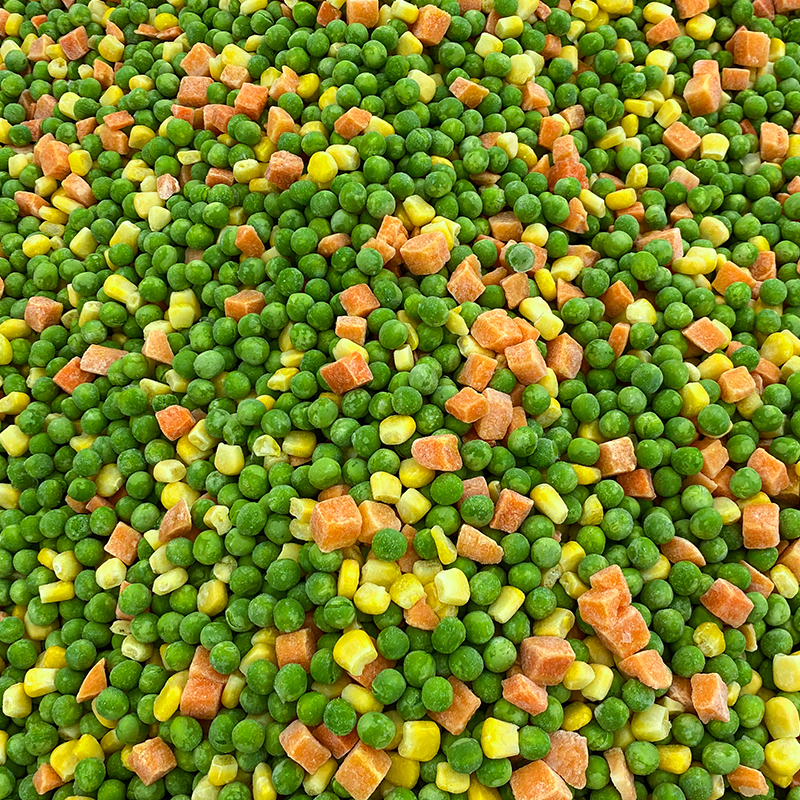
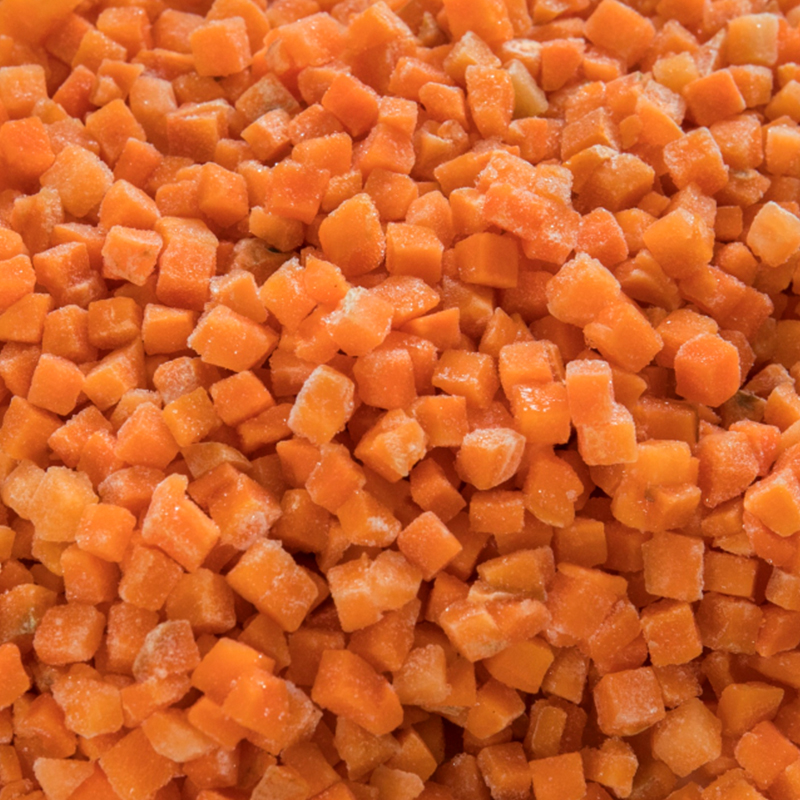
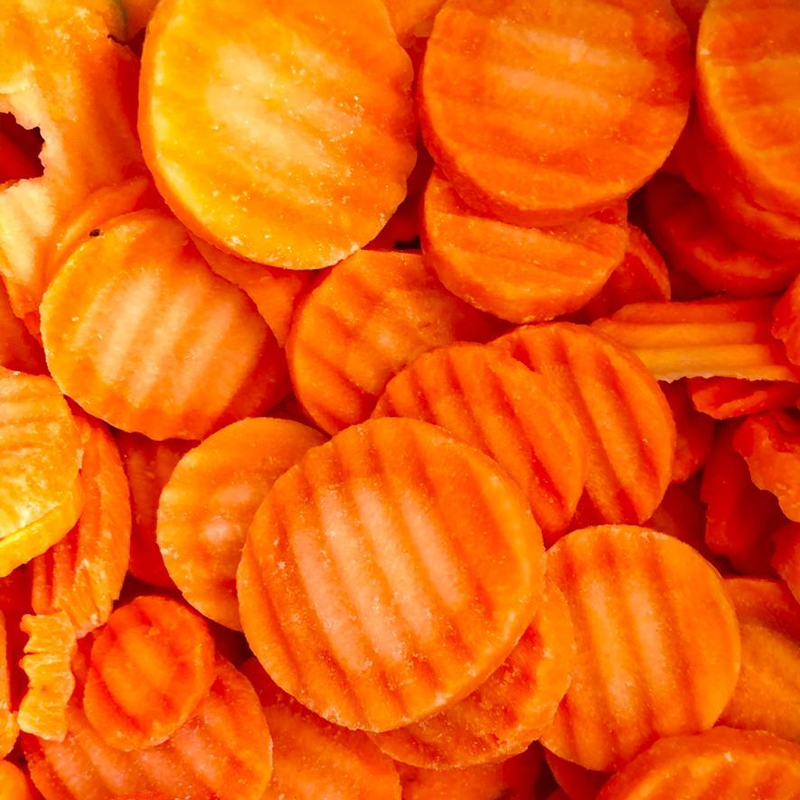
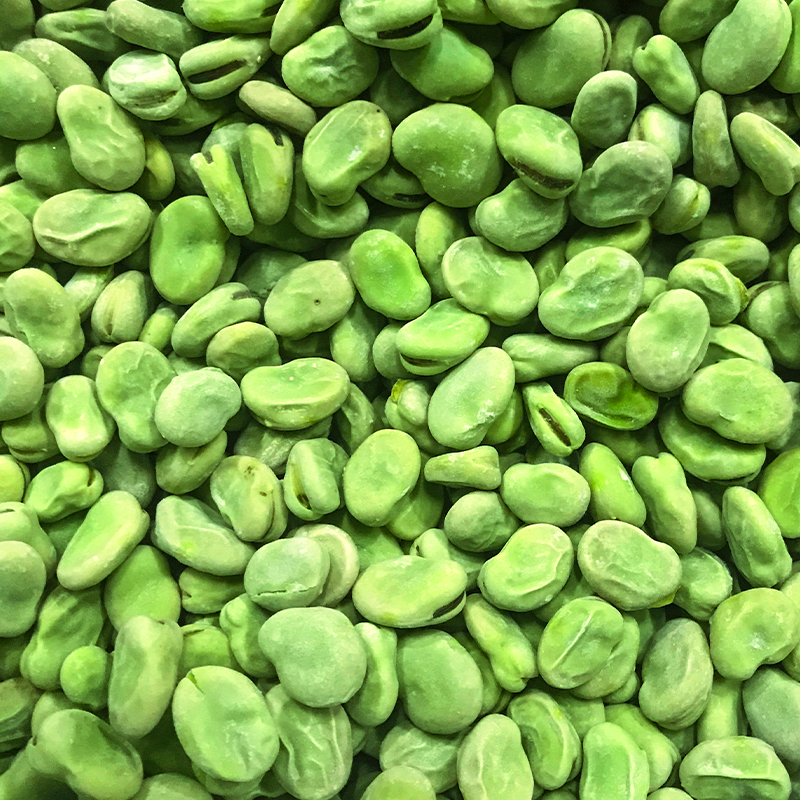
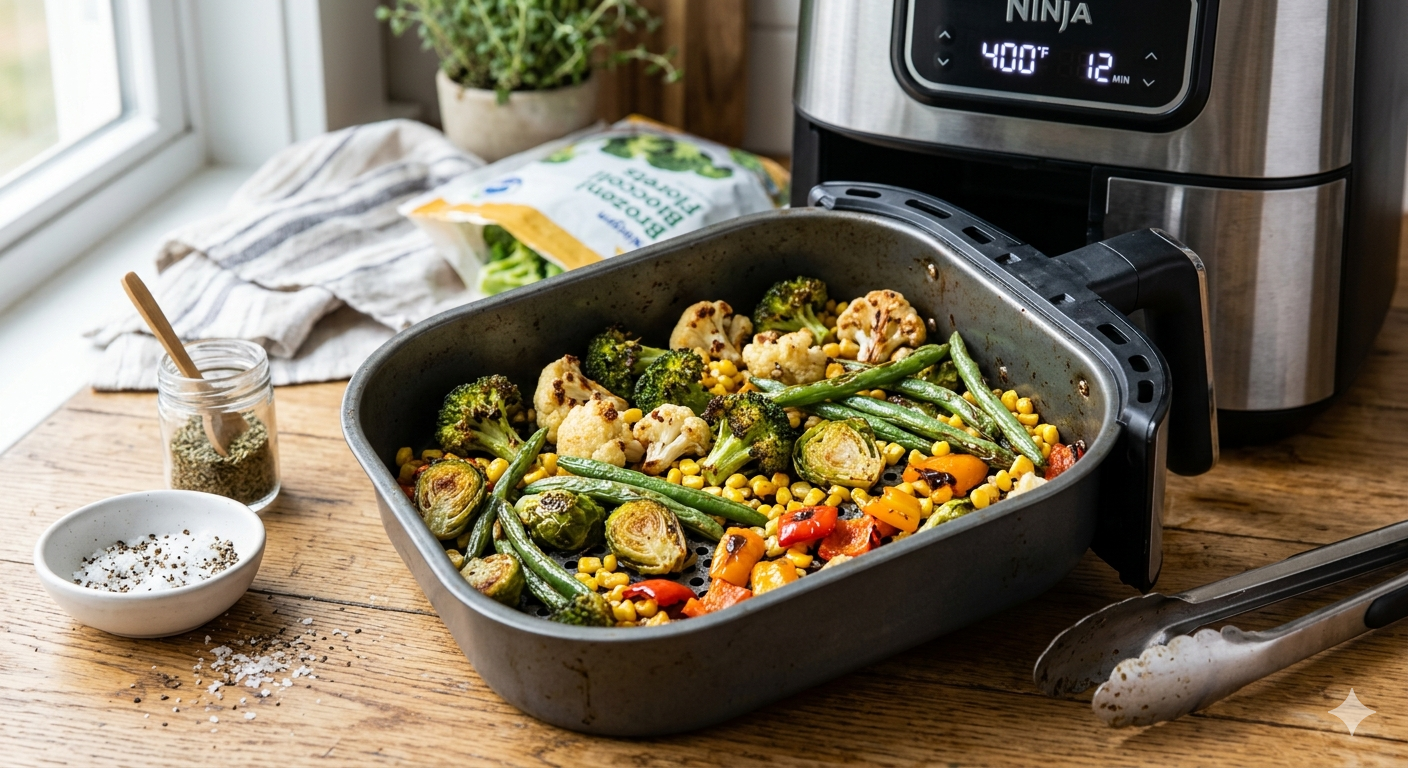
Yes, you can absolutely air fry frozen vegetables — and it's one of the best methods available. The air fryer's rapid hot-air circulation crisps frozen vegetables without thawing, producing results that are far superior to boiling or microwaving. In most cases, frozen vegetables go straight from the freezer into the air fryer basket and emerge golden, tender, and flavorful in 10–18 minutes.
This complete guide covers everything: temperature settings, timing charts, seasoning tips, common mistakes, and a full FAQ — so you can get perfectly cooked frozen vegetables every time.
コンテンツ
- Why the Air Fryer Is Ideal for Frozen Vegetables
- Temperature and Time Chart for Common Frozen Vegetables
- Step-by-Step: How to Air Fry Frozen Vegetables
- Best Seasoning Combinations for Air-Fried Frozen Vegetables
- Air Fryer vs. Other Cooking Methods: A Full Comparison
- Common Mistakes and How to Fix Them
- Are Frozen Vegetables as Nutritious as Fresh?
- Frequently Asked Questions
- Do I need to preheat the air fryer for frozen vegetables?
- Can I use parchment paper or foil in the air fryer with frozen vegetables?
- Why are my air-fried frozen vegetables soggy?
- Can I air fry a frozen vegetable medley bag?
- How do I stop small vegetables like peas or corn from falling through the basket?
- What oil is best for air frying frozen vegetables?
- Can I reheat leftover air-fried vegetables in the air fryer?
- How much frozen vegetables fit in an air fryer?
- Quick Meal Ideas Using Air-Fried Frozen Vegetables
- Final Verdict
Why the Air Fryer Is Ideal for Frozen Vegetables
The air fryer outperforms every other reheating method for frozen vegetables because it removes excess moisture while simultaneously crisping the exterior. Conventional ovens take 25–35 minutes to achieve similar results; stovetop steaming leaves vegetables limp; microwaving produces a soggy texture. The air fryer does the job in half the oven time with better texture.
Key Advantages at a Glance
- Speed: Most frozen vegetables are ready in 10–18 minutes, no preheat required for basket-style models.
- Texture: Circulating heat evaporates surface moisture, creating a crisp or lightly caramelized exterior.
- No thawing: Frozen vegetables cook directly from frozen — thawing actually makes them mushier.
- Minimal oil: 1–2 teaspoons is sufficient for a full basket (400 g / ~14 oz), versus tablespoons in pan-frying.
- Nutrient retention: Shorter cooking time at high heat preserves water-soluble vitamins better than boiling.
Temperature and Time Chart for Common Frozen Vegetables
The ideal air fryer temperature for most frozen vegetables is 380–400 °F (193–204 °C), which is hot enough to crisp the exterior without scorching before the interior is cooked through. Dense vegetables like broccoli and cauliflower tolerate the higher end; delicate ones like peas and corn do better closer to 375 °F.
| Vegetable | Temperature | Time (frozen) | Shake / Flip | Result |
|---|---|---|---|---|
| Broccoli florets | 400 °F / 204 °C | 12–15 min | Halfway | Crispy tips, tender stems |
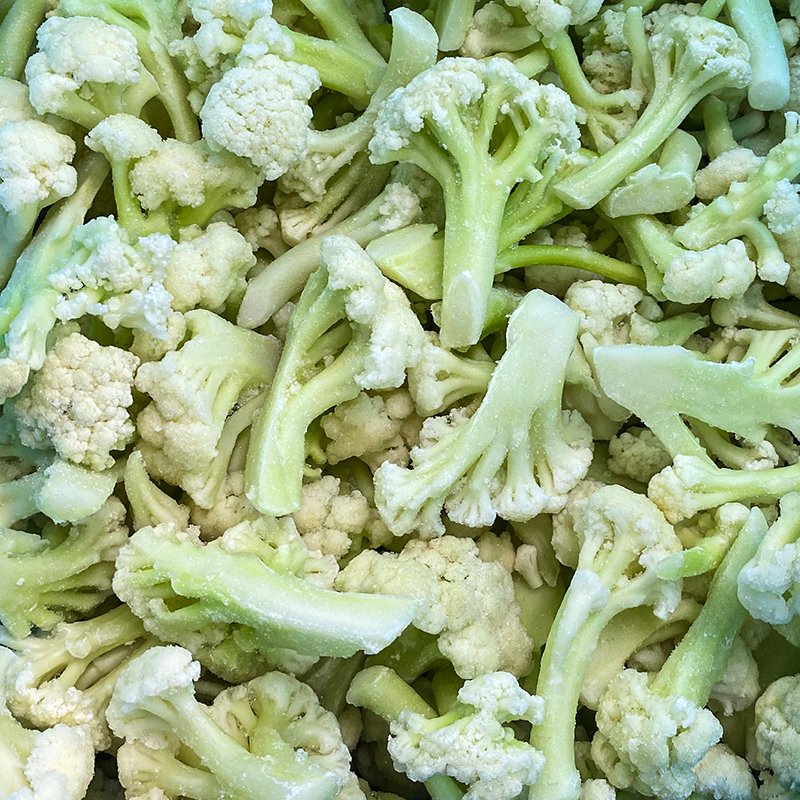
| Cauliflower florets | 400 °F / 204 °C | 13–16 min | Halfway | Golden, slightly charred edges |
| Green beans | 390 °F / 199 °C | 10–13 min | Halfway | Tender-crisp with blistered skin |
| Brussels sprouts | 400 °F / 204 °C | 14–18 min | Halfway | Crispy outer leaves, soft center |
| Corn kernels | 375 °F / 191 °C | 8–10 min | Once | Lightly charred, juicy |
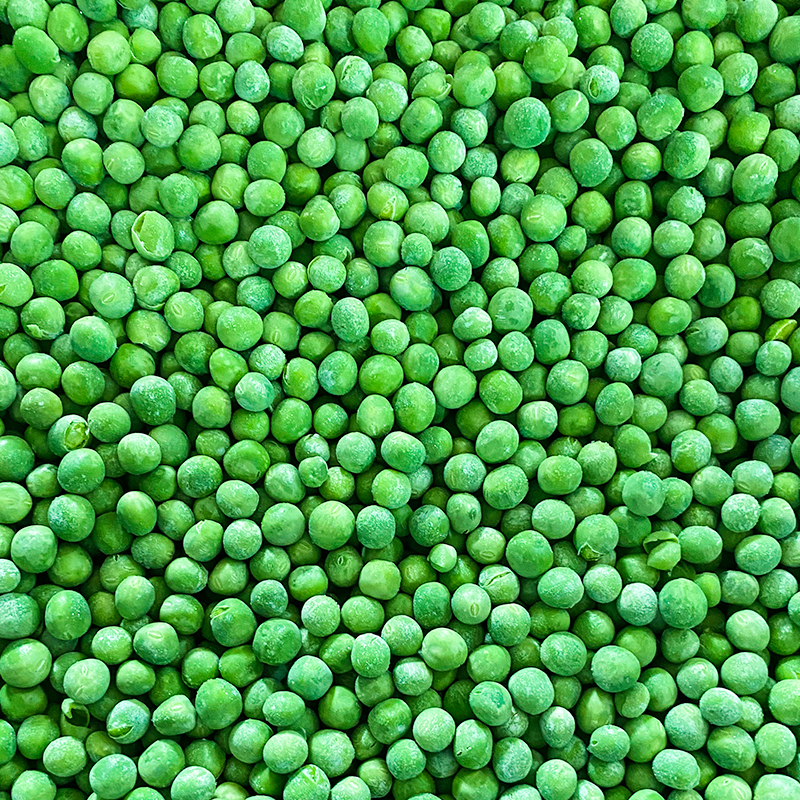
| Peas | 375 °F / 191 °C | 6–8 min | Once | Tender, slightly wrinkled skin |
| Zucchini / courgette | 380 °F / 193 °C | 10–13 min | Halfway | Tender with golden edges |
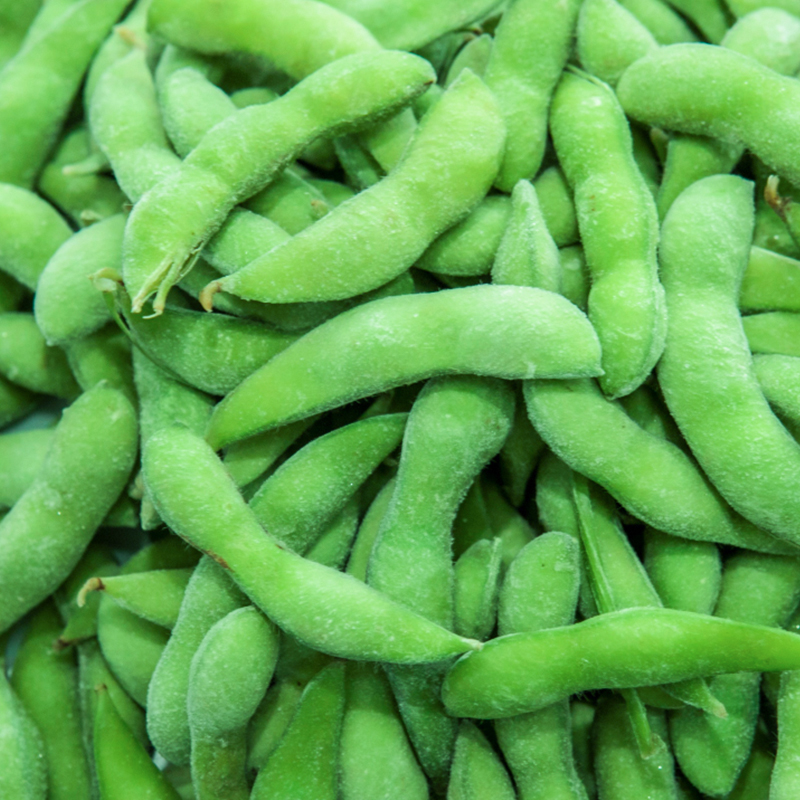
| Edamame (shelled) | 390 °F / 199 °C | 10–12 min | Halfway | Crispy shell, creamy interior |
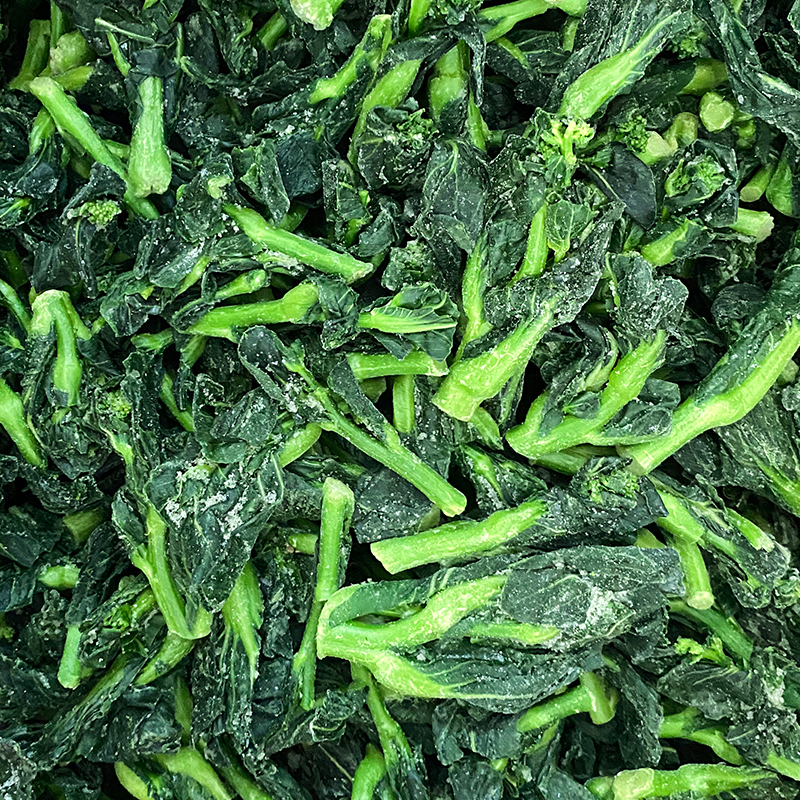
| Spinach / kale | 360 °F / 182 °C | 5–7 min | Once | Wilted, crispy chips possible |
Note: Times assume a single layer or lightly overlapping. Add 2–3 minutes for larger batches or oven-style air fryers, which typically run 15–25 °F cooler.
Step-by-Step: How to Air Fry Frozen Vegetables
The basic process takes under 20 minutes and requires almost no prep work. Follow these steps for consistently great results regardless of which vegetable you're cooking.
Step 1 — Preheat (Optional but Recommended)
Preheat your air fryer at the target temperature for 3 minutes. A hot basket immediately begins evaporating surface ice crystals, which is the single biggest factor in achieving crisp — not steamed — vegetables. Skip this step only if you're short on time; you may need to add 1–2 minutes to the total cook time.
Step 2 — Do Not Thaw
Place frozen vegetables directly from the bag into the air fryer basket. Thawing releases cellular moisture that turns the surface soggy before cooking even begins. The only exception is very large, dense pieces (e.g., whole frozen corn on the cob) which benefit from a 5-minute partial thaw.
Step 3 — Lightly Coat with Oil
Toss the frozen vegetables with 1–2 teaspoons of a high-smoke-point oil (avocado, refined coconut, or light olive oil) per 2 cups of vegetables. Oil helps conduct heat, promotes browning, and carries seasoning. You can spray oil directly into the basket or toss in a bowl first.
Step 4 — Season Boldly
Season after oiling. Frozen vegetables can handle generous seasoning. Start with salt and black pepper, then add one flavor profile (see seasoning section below). Avoid wet sauces at this stage — they steam instead of crisp. Add sauces in the last 2 minutes or after cooking.
Step 5 — Single Layer When Possible
Spread vegetables in a single layer or with minimal overlap. Overcrowding is the most common mistake — it traps steam and produces soft, pale results. If cooking a large batch, split into two loads or shake more frequently.
Step 6 — Shake or Flip Halfway
At the halfway point, shake the basket or flip larger pieces with tongs. This ensures even browning on all sides. For very small vegetables like peas or corn, one shake is sufficient.
Step 7 — Check and Adjust
Air fryers vary significantly in actual temperature vs. displayed temperature. Check vegetables 2–3 minutes before the suggested time ends. They're done when the edges are slightly browned and a fork pierces the thickest part with light resistance.
Best Seasoning Combinations for Air-Fried Frozen Vegetables
Simple seasoning makes the biggest difference in turning plain frozen vegetables into a dish you actually want to eat. Here are five proven flavor profiles, each tested across multiple vegetables.
| Profile | Ingredients | Best Vegetables | When to Add |
|---|---|---|---|
| Garlic Parmesan | Garlic powder, salt, pepper, parmesan (after) | Broccoli, green beans, Brussels sprouts | Before cook; parmesan after |
| Smoky Paprika | Smoked paprika, cumin, salt, chili flakes | Cauliflower, corn, edamame | Before cook |
| Lemon Herb | Lemon zest, dried thyme, salt, olive oil | Zucchini, peas, green beans | Before; fresh lemon juice after |
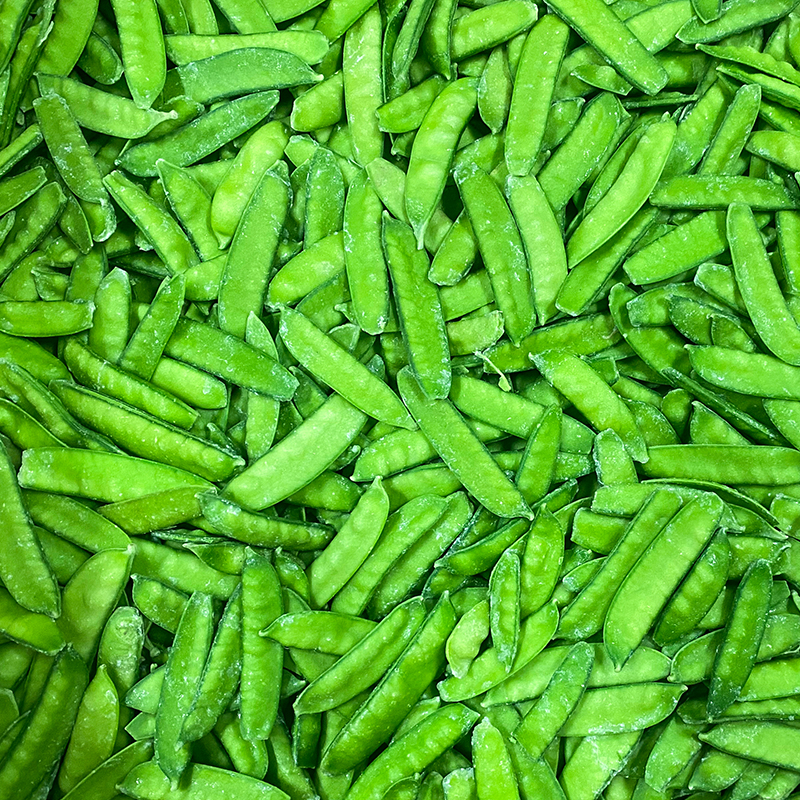
| Asian-Inspired | Sesame oil (½ tsp), soy sauce, ginger powder | Edamame, broccoli, snap peas | Last 3 min; sesame seeds after |
| Everything Bagel | Everything bagel seasoning, olive oil | Brussels sprouts, cauliflower | Before cook |
Air Fryer vs. Other Cooking Methods: A Full Comparison
The air fryer consistently wins on texture and speed when cooking frozen vegetables, though each method has specific use cases where it may be preferred.
| Method | Avg. Time | Texture | Flavor | Oil Needed | Cleanup |
|---|---|---|---|---|---|
| Air Fryer | 10–18 min | ⭐⭐⭐⭐⭐ Crisp | ⭐⭐⭐⭐⭐ Rich | 1–2 tsp | Easy (1 basket) |
| Oven / Sheet Pan | 25–35 min | ⭐⭐⭐⭐ Good | ⭐⭐⭐⭐ Good | 1 tbsp+ | Moderate (pan) |
| Stovetop Sauté | 10–15 min | ⭐⭐⭐ OK | ⭐⭐⭐⭐ Good | 1–2 tbsp | Moderate (pan) |
| Microwave | 3–6 min | ⭐⭐ Soft/Soggy | ⭐⭐ Bland | None | Very easy |
| Boiling / Steaming | 5–10 min | ⭐⭐ Limp | ⭐⭐ Bland | None | Moderate (pot) |
Common Mistakes and How to Fix Them
Most failures with air-fried frozen vegetables come down to four fixable errors. Understanding what goes wrong makes it easy to course-correct.
Mistake 1: Overcrowding the Basket
Fix: Never fill more than ¾ of the basket. Air circulation is what makes an air fryer work. A packed basket turns it into a steamer. Research on convection cooking shows that airflow restriction above 60% basket density significantly reduces crust formation. If you need to cook more, do two batches — the second batch will cook faster because the machine is already hot.
Mistake 2: Skipping Oil Entirely
Fix: Always use at least a light spray of oil. Oil is not just about fat — it transfers heat more efficiently than air alone and is essential for browning reactions. Completely oil-free vegetables often come out pale and wrinkled rather than golden and caramelized, even at high temperatures.
Mistake 3: Thawing Before Cooking
Fix: Cook directly from frozen. Thawing releases water trapped in the cells of the vegetable. That water pools on the surface and creates steam, resulting in soft, gray vegetables. The rapid heat of the air fryer is specifically designed to handle frozen items.
Mistake 4: Mixing Different Vegetables with Very Different Cook Times
Fix: Group vegetables with similar cook times, or stagger additions. Peas (6–8 min) will burn if cooked alongside Brussels sprouts (14–18 min). If making a medley, add fast-cooking vegetables 5–6 minutes after the slower ones, or choose vegetables with similar density.
Are Frozen Vegetables as Nutritious as Fresh?
Yes — frozen vegetables are nutritionally comparable to fresh, and in some cases superior. Vegetables destined for freezing are harvested at peak ripeness and flash-frozen within hours, which locks in nutrients. Fresh vegetables sold in supermarkets may spend 3–7 days in transport and storage, during which water-soluble vitamins (B vitamins, vitamin C) degrade.
Multiple peer-reviewed studies comparing fresh vs. frozen have found that frozen broccoli, peas, carrots, and green beans retain comparable or higher levels of key vitamins. A 2017 study published in the Journal of Food Composition and Analysis found that frozen peas contained significantly more vitamin C than their refrigerated "fresh" counterparts after five days of storage.
Air frying preserves these nutrients better than boiling because water-soluble vitamins don't leach into cooking liquid, and the shorter cook time compared to oven roasting means less heat exposure overall.
Frequently Asked Questions
Do I need to preheat the air fryer for frozen vegetables?
Preheating is strongly recommended but not mandatory. A preheated basket immediately sears the surface ice and begins browning. Without preheating, you can compensate by adding 2–3 minutes to cook time and checking more frequently.
Can I use parchment paper or foil in the air fryer with frozen vegetables?
Avoid lining the basket when cooking frozen vegetables. Liners block the airflow through the basket perforations, which is essential for crisping. If you must use a liner for cleanup purposes, use perforated parchment designed specifically for air fryers and expect slightly less crisp results.
Why are my air-fried frozen vegetables soggy?
Sogginess is almost always caused by overcrowding or insufficient temperature. Make sure the basket is no more than 70–75% full, confirm your air fryer is actually reaching the set temperature (many run 15–25 °F lower than displayed), and always cook directly from frozen without thawing.
Can I air fry a frozen vegetable medley bag?
Yes, but with some caveats. Pre-mixed bags often contain vegetables with different ideal cook times. Set the temperature to 390 °F and aim for the middle of the time range on the bag (usually 12–15 minutes), shaking every 4–5 minutes. Smaller, more delicate pieces may overbrown slightly, but the overall result is still far better than microwaving.
How do I stop small vegetables like peas or corn from falling through the basket?
Use a small oven-safe ramekin, silicone insert, or perforated air fryer liner. Alternatively, mix small vegetables with larger ones (e.g., peas tossed with frozen broccoli) so the larger pieces create a natural barrier. Perforated silicone mats designed for air fryers also work well without blocking airflow.
What oil is best for air frying frozen vegetables?
Use a neutral, high-smoke-point oil like avocado oil (smoke point: ~520 °F / 271 °C). Light olive oil (smoke point: ~465 °F / 240 °C) is also excellent and adds flavor. Avoid butter or unrefined oils, which burn at the high temperatures required for crisping. Extra virgin olive oil can be used but may impart a slightly bitter note if the air fryer runs very hot.
Can I reheat leftover air-fried vegetables in the air fryer?
Yes — the air fryer is the best way to reheat previously cooked vegetables. Set to 350–360 °F for 3–5 minutes. This re-crisps the exterior far better than a microwave, which just steams and softens. Add a tiny spritz of oil before reheating for best results.
How much frozen vegetables fit in an air fryer?
A standard 5–6 quart basket-style air fryer comfortably handles 10–14 oz (280–400 g) of frozen vegetables per batch. This is equivalent to about half of a standard 1 lb (454 g) frozen bag. For a 3–4 quart model, reduce to about 8 oz per batch. Oven-style air fryers with multiple racks can handle more, but circulation may be reduced.
Quick Meal Ideas Using Air-Fried Frozen Vegetables
Air-fried frozen vegetables are versatile enough to anchor a full meal in under 20 minutes. Here are five quick applications:
- Grain bowls: Serve crispy air-fried broccoli and edamame over brown rice or quinoa with a drizzle of tahini and lemon juice. Add a soft-boiled egg for protein.
- Pasta topper: Toss air-fried green beans or zucchini with pasta, olive oil, garlic, and red pepper flakes for a 15-minute dinner.
- Taco filling: Air-fried frozen corn, cauliflower, or mixed peppers work beautifully in tacos topped with avocado and lime.
- Side dish upgrade: Garlic-parmesan air-fried Brussels sprouts are a crowd-pleasing side that takes 16 minutes start-to-finish — no peeling or trimming fresh produce required.
- Egg scramble: Add air-fried frozen spinach or mixed vegetables to scrambled eggs or a frittata for a fiber-rich breakfast that comes together quickly.
Final Verdict
Air frying frozen vegetables is not just possible — it's the recommended method for the best texture, flavor, and speed. The combination of high heat, rapid circulation, and minimal oil produces results that boiling and microwaving simply cannot match. Keep your basket from overcrowding, cook from frozen, use a light coat of oil, and season generously — those four habits alone will transform your results.
Whether you're cooking a weeknight side, meal-prepping, or just using up what's in the freezer, the air fryer makes frozen vegetables worth eating. Set the temperature to 390–400 °F, check at the halfway point, and adjust timing by vegetable density. The rest takes care of itself.